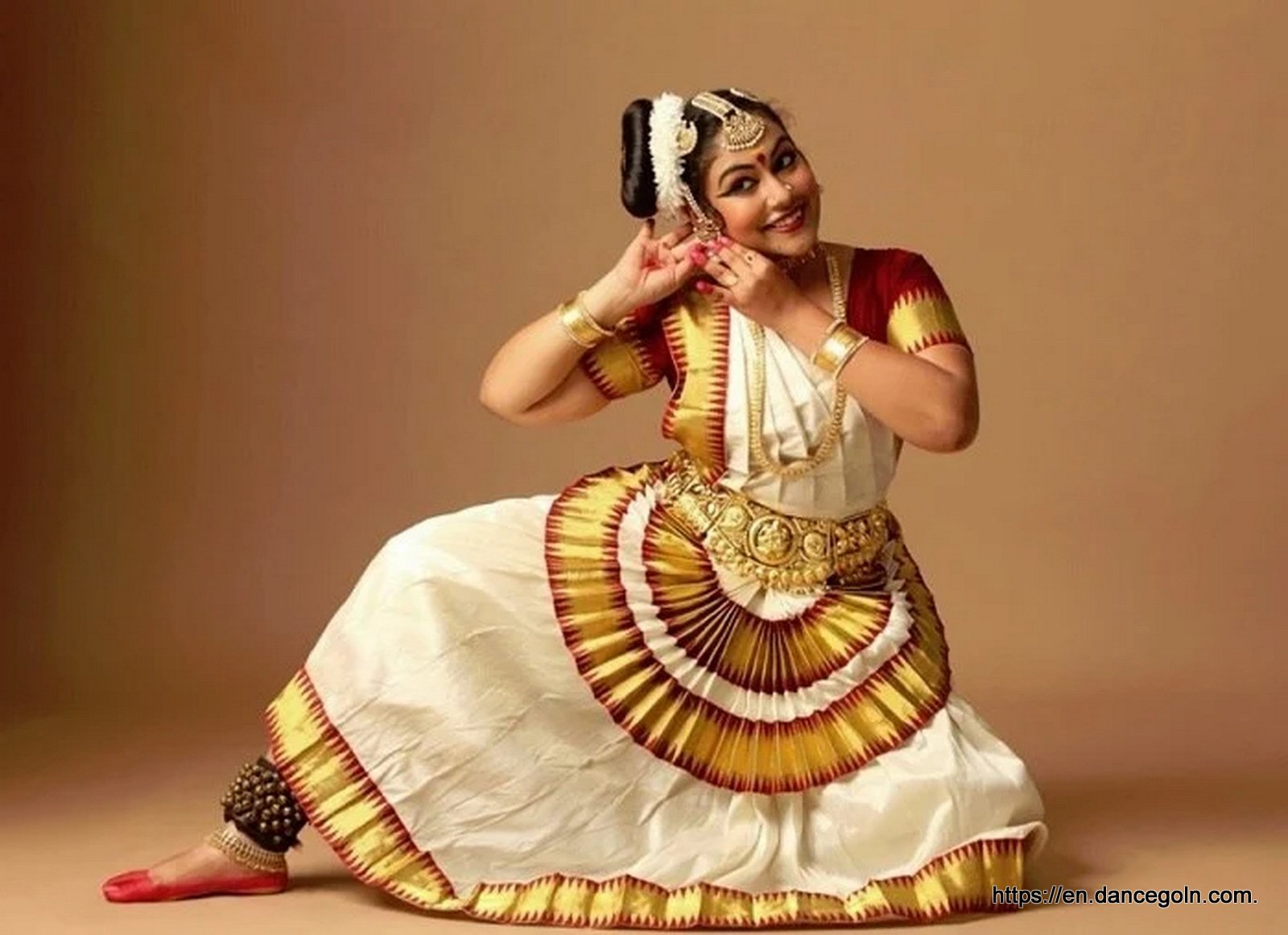
Acting and dance are among the most ancient art forms of human civilisation. Their roots are deeply intertwined—like body and soul. Dance without acting is incomplete, and acting without the rhythm of movement lacks life. As mentioned in ancient Indian dramaturgy, “Nrityam Natyam cha Sarvam tu Abhinnam” — meaning, “Dance and drama are inseparable.”
Table of Contents
The Meaning and Origin of Acting
The word Abhinaya comes from the Sanskrit roots abhi (towards) and naya (to lead or present). Thus, abhinaya literally means “to present before the audience.” The English word acting originates from the Latin actus, meaning “action” or “performance.” Both terms express the concept of enactment, expression, and presentation.
Acting is a meditative form of artistic expression in which the performer transforms themselves into a character, creating a new reality before the audience. For example, when an actor portrays the role of Lord Krishna, he is not Krishna in truth, yet through his gestures, expressions, tone, eyes, and body language, he evokes the divine image so vividly that the audience momentarily believes him to be the very embodiment of Krishna. This creative yet lifelike expression is the essence of acting.
The Interrelationship Between Acting and Dance
Although acting is primarily part of the dramatic arts, it lies at the very heart of dance. Dance is not merely a series of physical movements—it is the rhythmic expression of emotion, imagination, and inner feeling. A dancer conveys their inner world not only through rhythm and tempo, but through expressive eyes, facial gestures, and body movements that transmit emotion to the audience.
In Natya Shastra, the ancient Indian treatise on performing arts, sage Bharata Muni classified acting into four principal types: Angika (physical), Vachika (verbal), Aharya (costume and décor), and Sattvika (psychological). These four together form the Chaturvidha Abhinaya—the foundation of both drama and dance.
1. Angika Abhinaya (Physical Acting)
Anga means body. The expression through body parts, gaze, facial gestures, movements of hands and feet, and postures is called Angika Abhinaya. In dance, this is of utmost importance, for dance is fundamentally the language of the body. Bharata Muni divided the body into three parts:
-
Upanga (minor parts): facial features such as eyes, brows, lips.
-
Anga (major parts): head, hands, feet, shoulders, waist.
-
Pratyanga (sub-parts): fingers, toes, subtle movements of lips.
Angika Abhinaya brings visual life to emotion and sentiment—it is the soul of dance.
2. Vachika Abhinaya (Verbal Acting)
This form of expression is conveyed through the voice—dialogue, recitation, song, or tonal modulation that reflects the character’s inner state. In dance, even when words are not spoken, the lip movements and facial expressions that echo the song’s emotion are part of Vachika Abhinaya. In classical styles like Kathak or Bharatanatyam, it may include rhythmic syllables, verses, or recited compositions integrated with movement.
3. Aharya Abhinaya (Costume and Décor)
Aharya refers to external adornment—costume, make-up, jewellery, hairstyle, and stage setting. These visual elements heighten the realism and impact of a performance. For instance, a dancer portraying Krishna becomes visually alive through a blue costume, crown, and flute. In dance, Aharya Abhinaya plays a vital role, as the harmony of costume, lighting, and colour enhances the aesthetic experience of the audience.
4. Sattvika Abhinaya (Emotional Acting)
Sattvika Abhinaya is the silent, inward expression of emotion—the most subtle and spiritual form of acting. The Natya Shastra identifies eight Sattvika Bhavas:
Stambha (immobility), Sveda (sweating), Romanch (horripilation), Svarabhanga (voice modulation), Vepathu (trembling), Vaivarnya (paleness), Ashru (tears), and Pralaya (fainting).
These are not artificially produced but arise naturally from genuine emotional involvement. When an artist is deeply immersed in their role, these emotions manifest spontaneously. In dance, this inner expression is called Bhava Abhinaya—the means through which rasa (aesthetic emotion) is evoked in the hearts of the audience.
The Integral Unity of Acting and Dance
Thus, acting and dance are inseparable companions. While rhythm, tempo, and movement express the body’s grace, acting breathes emotion and spirit into it. According to Natya Shastra, dance is not mere physical exercise; it is “the purified expression of emotion, sentiment, and soul”—where acting becomes the living essence of dance.
In truth,
“Acting without dance is like a soul without a body,
and dance without acting is but a body without life.”